
Lead Acid Battery MSDS and SDS: Why It Is Required and What Goes Wrong Without One

Quick Answer
A lead acid battery MSDS, now called an SDS, tells carriers, customs, emergency crews and workers what is inside the battery and how to handle it. Here is why it is required and what goes wrong when it is missing.
A container of forklift batteries arrives at the port. The consignee has the invoice, the packing list and the bill of lading, and expects to collect the goods within the week. Then the shipping line, the freight forwarder or the customs broker asks for one more document, the safety data sheet for the batteries, and nobody has it. The supplier is slow to reply, the container sits in the yard, and storage and demurrage charges start to run. The batteries are fine, and the paperwork is the only thing wrong.
A lead acid battery MSDS is the safety document that describes what is inside a lead acid battery, what hazards it carries, how to handle and store it, what to do in a spill, fire or exposure, and how it is classified for transport. MSDS is the older name. The current name is SDS, for safety data sheet, and a modern sheet follows a standard 16-section format. Carriers, customs brokers, employers and emergency services all rely on it, and a shipment or a workplace without one runs into delays, refusals and avoidable injuries. This guide explains why the sheet is required, what it contains, how UN2794 governs shipping lead acid batteries, what goes wrong without one, and how to check that the sheet you receive is any good.
What the Label Says and What It Leaves Out
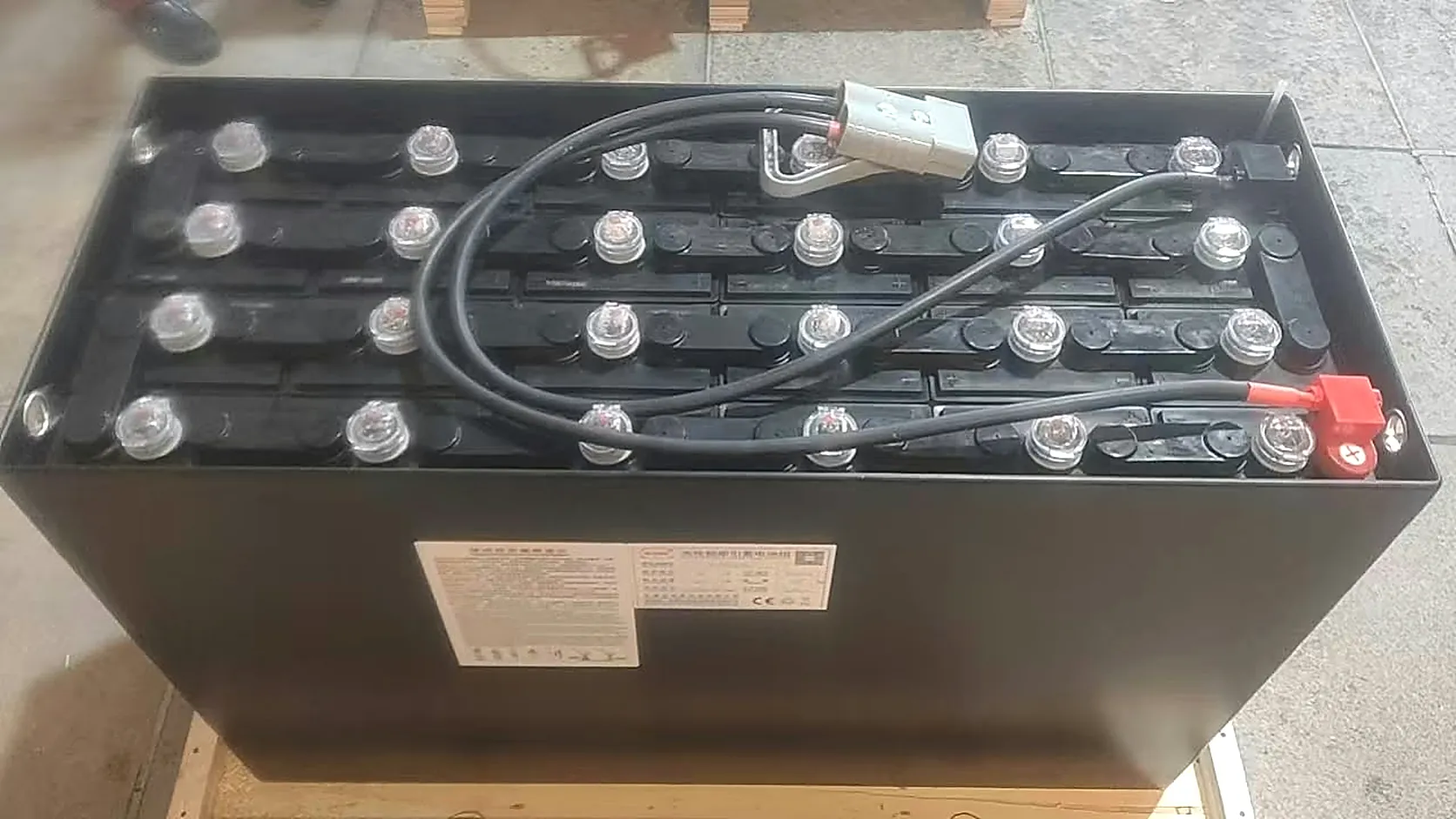
A battery label gives a voltage, a capacity in ampere-hours, a weight and a few warning symbols. It does not say how much sulfuric acid the battery holds, what the electrolyte does to skin and eyes, how much lead is inside and in what form, what to use if the battery is on fire, or how to neutralize a spill. A forklift traction battery for a 48 V truck can weigh well over a tonne and hold hundreds of liters of electrolyte, and the label tells a handler none of that.
The safety data sheet fills that gap. It belongs to the supplier's duty of care. The people who use it are different in each situation. A warehouse supervisor reads the handling and storage sections. A first aider reads the first-aid section. A fire crew reads the firefighting section. A freight forwarder reads the transport section. A waste contractor reads the disposal section. The same document serves all of them, which is why a battery safety data sheet needs to be accurate, current and available before the battery is, not after. A catalog datasheet with voltage, capacity and dimensions is a different document and answers none of those questions.
MSDS or SDS: What Changed and What the Sheet Contains
Material safety data sheets used to follow whatever layout each manufacturer preferred. The Globally Harmonized System of Classification and Labelling of Chemicals, known as GHS, replaced that with a single 16-section format. OSHA aligned its Hazard Communication Standard, 29 CFR 1910.1200, with GHS in 2012, and the European Union, the United Kingdom and many other countries use the same structure under their own laws. The document is now called an SDS. Many buyers, brokers and port officers in the Gulf, South Africa and South Asia still say MSDS, and both names refer to the same document. A current sheet, whatever it is called, uses the 16 sections.
The sections run in a fixed order. Identification of the product and supplier comes first, followed by hazard identification, composition and ingredients, first-aid measures, firefighting measures, accidental release measures, handling and storage, exposure controls and personal protection, physical and chemical properties, stability and reactivity, toxicological information, ecological information, disposal considerations, transport information, regulatory information, and other information such as the revision date. A reader can find the transport classification in section 14 on any compliant sheet from any supplier.
An SDS is not a certificate. Nobody approves or certifies it, and it cannot be passed or failed. It is the supplier's statement of the hazards and the controls, and its value depends on the supplier's accuracy. That is why some customers ask for the original from the battery manufacturer, not a copy rewritten by an intermediary, and why checking it counts.
What Inside a Lead Acid Battery Needs a Data Sheet
A lead acid battery SDS has to describe a small chemical plant in a plastic case, and four of its parts drive the hazards. Lead, in the form of grids, lead dioxide on the positive plates and spongy lead on the negative plates, is toxic and a reproductive hazard, and lead compounds are classed as such under GHS. Sulfuric acid, typically diluted to roughly a third of the electrolyte by weight, is corrosive to skin, eyes and metals. Water in the electrolyte is consumed during charging in flooded batteries and has to be topped up. The case and the separators are plastic, and they burn.
Charging adds a fifth hazard. As a flooded battery approaches full charge, it gives off hydrogen and oxygen, and hydrogen is flammable in air above about 4 percent by volume. A charging room without ventilation is an explosion risk, which is why the sheet and the site rules both call for ventilation, no sparks and no smoking. An electrical short across the terminals is a sixth: a large battery can deliver thousands of amperes into a dropped spanner, with heat, sparks and molten metal.
The sheet also records differences between types. Flooded batteries, used in most forklifts and in many industrial stationary systems, carry free liquid acid and can spill if tipped, which is why a forklift battery SDS carries more spill and handling guidance than a sealed-battery sheet. Valve-regulated types, such as AGM and gel, hold the electrolyte in a mat or a gel and are sealed against ordinary spillage, though they still contain the same chemicals. The classification for transport can differ between the two, which is why the sheet has to match the exact battery type.
Why a Lead Acid Battery SDS Is Required
Four reasons make a lead acid battery MSDS necessary, and most buyers meet them in the order shown.
Workplace regulation is the first. Employers must tell workers about the chemical hazards they work with, and the SDS is the main tool. Under OSHA's Hazard Communication Standard, an employer must keep a current SDS for each hazardous chemical in the workplace and make it available to employees. OSHA has stated in an interpretation letter from 2004 that it treats lead acid batteries as hazardous chemicals and not as exempt articles, because they can leak, spill or rupture, and not as exempt articles, although some vendors argue the opposite, so employers who rely on an exemption carry the burden of proving it. Other countries impose comparable duties through their own chemical and occupational safety laws.
Transport rules are the second. A carrier cannot accept dangerous goods without knowing what they are, and the SDS is the document from which the classification, the UN number and the packing group are confirmed. The next section covers it.
Emergency response is the third. A fire crew arriving at a warehouse of batteries needs to know that the stock contains sulfuric acid and lead, that it can release hydrogen, which extinguishing agents to use and which to avoid, and how to deal with run-off. The sheet answers each, and an incident without it is handled by guesswork.
Supply chain and customer requirements are the fourth. Mines, power plants, factories and ports operate approved-chemical registers. A vendor whose battery has no SDS cannot be added to the register, and a delivery without one can be turned away at the gate. The European Union adds supplier information duties under REACH: lead is on the Candidate List of substances of very high concern, and suppliers of articles containing it above 0.1 percent by weight must pass information to their customers, which battery makers usually do through the SDS and related declarations. The EU Batteries Regulation, Regulation (EU) 2023/1542, adds labelling and information duties on top, and its dates should be checked for the specific battery category.
The UN number on the paperwork has to match the battery in the crate. A generic sheet for "lead acid batteries" is how that match goes wrong.
UN2794 and Shipping Lead Acid Batteries
Shipping lead acid batteries by sea, road or air means treating them as dangerous goods. The standard entry is UN2794, "Batteries, wet, filled with acid, electric storage", which falls in Class 8, corrosive substances, with manufacturers' sheets generally showing packing group III. For sea transport, the IMDG Code gives packing instruction P801, and for air transport the IATA instruction is 870. For road transport in Europe, ADR lists the same entry with special provisions that include 598. Each rulebook is revised on a fixed cycle, so the shipper checks the current edition.
Non-spillable batteries are a separate entry, UN2800, and under air rules a battery that passes the specified vibration and pressure-differential tests can be shipped as not restricted if the right special provision is cited on the air waybill. That relaxation does not apply to ordinary flooded batteries under UN2794, and a shipper who assumes it does can have the cargo refused. Section 14 of the SDS states which entry applies to the exact product, which is the reason a generic sheet for "lead acid batteries" does not do the job.
The paperwork around the sheet follows from the classification. The shipper completes a dangerous goods declaration with the UN number, class, packing group, quantity and packaging type, signs it, and attaches the SDS where the carrier or broker asks for it. Packages carry hazard labels and the UN marking. The freight forwarder checks the declaration, and the shipping line accepts or refuses the booking. A mistake at any step can hold the container, and a missing SDS is among the commonest triggers. Different carriers and ports vary in how strictly they ask, so confirm the requirements for the route at booking, not at the port.
What Goes Wrong Without One
The failures follow a pattern, and the table lists them against what the sheet would have provided.
| Situation | What the SDS provides | What happens without it |
|---|---|---|
| Booking and loading | Transport classification, UN number, packing group | Booking refused or held, wrong class declared, shipment rolled |
| Customs and port clearance | Product identity and composition | Container held for inspection, demurrage and storage charges accrue |
| Receiving and storing | Storage rules, incompatibilities, spill measures | Batteries stored beside alkalis or metals, unsafe stacking, no spill kit |
| Charging room | Hydrogen hazard, ventilation, eyewash and PPE guidance | Poor ventilation, burns from acid splash, ignition risk |
| Spill or fire | Neutralization, firefighting agents, run-off | Slow, wrong response, acid reaches drains, injuries |
| Audit, insurance claim | Evidence of hazard communication | Finding in an HSE audit, disputes after an incident |
| End of life | Disposal and recycling routes | Illegal dumping risk, lead contamination, waste classification errors |
The cost shows up in different places. Direct costs are demurrage and storage at ports, rework of paperwork, and a rolled booking that waits for the next sailing. Indirect costs are the production a forklift fleet loses while batteries wait, and the reputational cost of a late delivery to a customer. A missing lead acid battery SDS also leaves the purchaser unable to show an auditor that the hazard was communicated. The worst case is a handling incident, such as an acid burn or an exposure to lead dust, that happens because nobody on the floor knew what was in the battery.
Real-World Scenario: Batteries Held at the Port
This illustration is typical, and it is not a record of one shipment. An importer orders thirty-six 48 V flooded traction batteries from an overseas manufacturer for a distribution warehouse. The supplier ships by sea on the strength of its standard commercial documents. The freight forwarder at the port of arrival asks for the SDS and the dangerous goods declaration before releasing the container to the customs broker, since the cargo is declared as batteries and the forwarder cannot confirm the UN entry without the sheet.
The supplier's export team is in another time zone and sends a generic lead acid battery MSDS for a different battery model. The forwarder rejects it because the model name does not match and section 14 gives a different classification. The correct sheet arrives four days later. In the meantime, the container sits in the terminal, and daily storage and container detention charges accumulate while the warehouse runs its old, worn batteries beyond their service life.
The importer fixes the process afterwards. Purchase orders for batteries now state that the model-specific SDS and the transport classification must be supplied before shipment, and the sheet is checked against the order on receipt. TCC's procurement team follows the same rule: the SDS is requested at the quotation stage, matched to the exact model, and filed with the delivery documents, so the paperwork cannot become the reason a delivery stops. The incident cost a week and some charges, and it was entirely preventable.
How to Get and Check a Battery Safety Data Sheet
Ask for the SDS from the battery manufacturer, for the exact model or model family you are buying, before you place the order. A good lead acid battery MSDS passes a short checklist, and so does any battery safety data sheet from another maker.
The product name on the sheet should match the product on the nameplate, including the type: flooded, AGM or gel. The supplier identification should include an emergency telephone number that works in the destination country. The date and revision number should be recent, since a sheet more than a few years old may not reflect current classification. Section 14 should state the UN number, the proper shipping name, the class and the packing group, and they should agree with the type of battery. The hazard statements in section 2 should list the corrosive and reproductive hazards in the GHS wording for the destination's version of GHS. The sheet should cover lead, lead compounds and sulfuric acid in section 3.
Language and format can matter. Some importing countries and some sites require the sheet in a local language or in a specific national format, and a forwarder or broker will know the rule for the route. A copy that has been edited or retyped by a trader can drop a section or alter a classification, so prefer the manufacturer's original file.
Mistakes recur. Sheets get mixed up between flooded and valve-regulated models, or between lead acid and lithium. Old MSDS layouts with eight or nine headings circulate long after the 16-section format became standard. Unsigned or undated copies appear from traders. A transport entry is missing or does not match the battery. Review the file for each of these when it arrives, and ask the supplier to correct it before the shipment sails, since a correction after dispatch costs far more than one before.
Keep the sheet where people can reach it: printed at the charging room and the storage area, held in the site chemical register, and attached to the dangerous goods paperwork for every shipment. Lithium batteries follow different rules and different UN numbers, as covered in our guide to using Emerson lithium-ion batteries in industrial devices; do not substitute one type's sheet for another.
Handling a Forklift Battery on Site
The sheet's guidance translates into a short set of site rules. The forklift battery SDS is the source of these rules, so read it before writing them into the site procedure. Charge in a ventilated area with no ignition sources, and keep an eyewash station and a shower within reach. Wear acid-resistant gloves, a face shield and an apron when topping up or handling electrolyte, and use insulated tools and covers on terminals. Keep a spill kit with a neutralizing agent such as sodium bicarbonate or soda ash, and contain any spill on an acid-resistant floor away from drains. Lift batteries with rated equipment and never by their terminals. Store them upright, away from alkalis, metal dust and oxidizing chemicals, and recycle spent batteries through a licensed lead recycler.
Stationary battery systems follow the same chemistry and add system-level questions about room design and ventilation, which are covered in the guides on how battery energy storage systems work and what sits inside a containerized BESS. For control-room power, the post on choosing the right UPS for industrial control systems covers where lead acid batteries still fit, and the article on marine UPS systems shows how sealed lead acid batteries are handled under ship and offshore approvals. TCC's electrical maintenance and reliability team can audit a charging room or a battery bank against the guidance in the SDS and the site's own rules.
Frequently Asked Questions
What is a lead acid battery MSDS?
It is the safety document for a lead acid battery, now called an SDS. It follows a 16-section GHS format that covers hazards, composition, first aid, firefighting, spill response, handling and storage, exposure controls, transport classification, disposal and regulatory information. Employers, carriers, customs brokers and emergency services use it, and it is not a certificate.
Is a battery safety data sheet legally required?
In most countries, yes, for workplaces and for transport. OSHA's Hazard Communication Standard in the United States requires employers to keep an SDS for hazardous chemicals, and OSHA has treated lead acid batteries as hazardous chemicals because they can leak. Carriers and customs brokers ask for the sheet to confirm the dangerous goods classification, even where a national law does not name it.
What is UN2794?
UN2794 is the United Nations number for batteries, wet, filled with acid, electric storage, which covers ordinary flooded lead acid batteries. They are Class 8, corrosive, with manufacturers' sheets typically showing packing group III. Shipping lead acid batteries under this entry follows IMDG packing instruction P801 for sea and IATA instruction 870 for air, and the SDS section 14 should state the same number.
What happens if I ship lead acid batteries without an SDS?
The carrier or forwarder can refuse the booking, the container can be held at the port with demurrage and storage charges accruing, and a wrongly declared consignment can be rejected or penalized. On arrival, handlers lack information on spills, charging and storage, which raises the risk of acid burns, lead exposure and fire.
Related products
Components from our catalogue relevant to this article — request a quote for availability, lead time and pricing.
/BNI00CL Balluff - BNI IOL-355-S02-Z013.webp "Balluff Balluff BNI IOL-355-S02-Z013 Safe IO-Link Networking Device | Functional safety IO-Link device, SIL 2, PL d, 8 safety DI/DO")
Balluff BNI IOL-355-S02-Z013 Safe IO-Link Networking Device
Functional safety IO-Link device, SIL 2, PL d, 8 safety DI/DO
/EL2904 Beckhoff.webp "Beckhoff Beckhoff EL2904 TwinSAFE Terminal, 4 Fail-Safe Outputs | TwinSAFE EtherCAT terminal, 4 fail-safe digital outputs, 500 mA, 24 VDC")
Beckhoff EL2904 TwinSAFE Terminal, 4 Fail-Safe Outputs
TwinSAFE EtherCAT terminal, 4 fail-safe digital outputs, 500 mA, 24 VDC
/TC625 AF100 ABB - Coaxial Modem 3BSE002224R1.png "ABB TC625 AF100 ABB - Coaxial Modem 3BSE002224R1 | Coaxial modem TC625 AF100")
TC625 AF100 ABB - Coaxial Modem 3BSE002224R1
Coaxial modem TC625 AF100
/SB512 ABB - Power Supply 3BSE002098R1.png "ABB SB512 ABB - Power Supply 3BSE002098R1 | SB512 power supply module")
SB512 ABB - Power Supply 3BSE002098R1
SB512 power supply module